
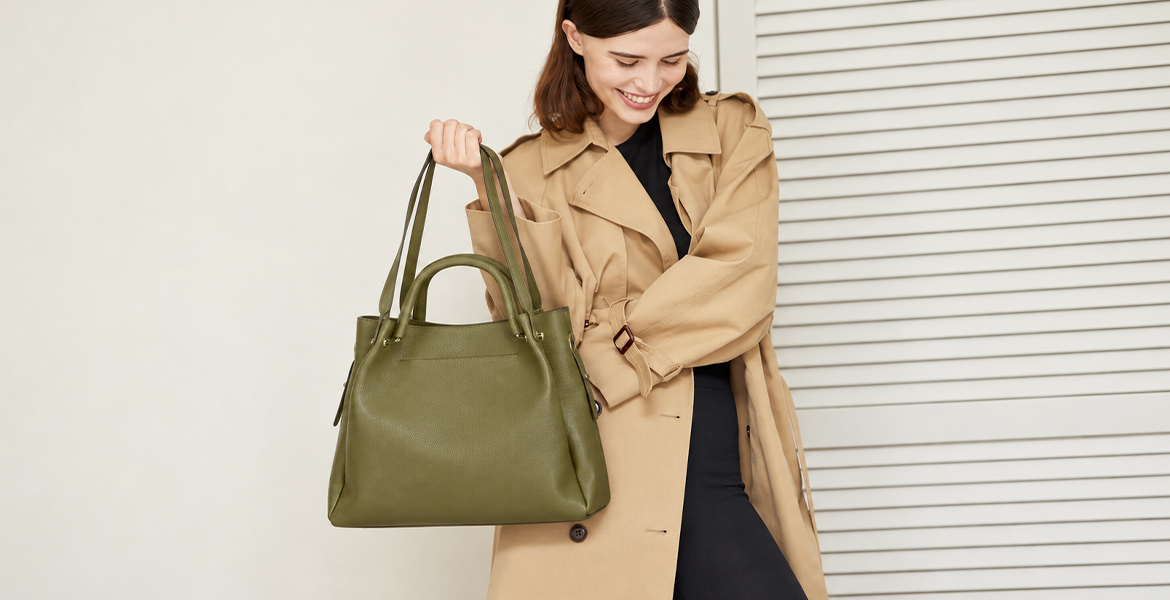
The shape, material, and color of a handbag may define it, but a surprising visual power is unlocked by the smallest detail that’s available. Hardware like buckles, chains, clasps, rings, studs, zippers, and other hardware have the power of quietly steering an entire outfit in a different direction.
Handbags that are simple with delicate hardware can feel largely understated, whereas, the same silhouette with chunky metal details can suddenly become bolder and more assertive. Thus, choosing a handbag simply because it matches the color of your shoes is not the right way to do it. Hardware has its own visual language, and learning to read it can help you build outfits that feel intentional and not accidentally assembled.
Hardware Is More Than Decoration
A practical job is generally performed by handbag hardware. Zippers close compartments, buckles adjust straps, rings connect handles, and clasps safe openings. Yet these components also contribute to the visual identity of a bag.
Let’s consider two identical shoulder bags that are black. While one has a slim, subtle hardware with minimal detailing, another features oversized chains, prominent buckles, and large metal rings. Thus, even though they share the same color and silhouette, the impression they create can be completely different.
Visual weight, contrast, texture, and even how formal or relaxed a handbag appears can be impacted by hardware. That makes it worth considering as part of the design rather than considering it as an afterthought.
1. Delicate Hardware Creates Visual Quiet
Small clasps, narrow chains, discreet zippers, and slender buckles generally ensures that the material and silhouette of a handbag remains dominant. With this, a cleaner and quieter appearance. If your outfit is already containing strong patterns, layered textures, unusual proportions, or statement accessories, a subtle handbag may be beneficial. It can prevent the overall look from becoming visually crowded.
It can also work beautifully with minimalist outfits where simplicity is intentional. The hardware is still present, but it behaves more like punctuation than the entire sentence. If you prefer outfits with controlled details and fewer competing focal points, bags with restrained hardware may integrate naturally into your wardrobe.
2. Chunky Hardware Adds Visual Weight
Large chains and oversized buckles immediately demand more attention. Because these elements occupy more visual space, they can make even a relatively small handbag feel substantial. This effect can be useful when styling simple clothing. Consider an outfit built around a plain shirt, straight trousers, and uncomplicated shoes. Adding a handbag with bold chain detailing can introduce enough visual interest to keep the combination from feeling flat.
Chunkier hardware can also balance heavier clothing such as thick jackets, structured outerwear, wide trousers, or substantial footwear. Think about proportion. Tiny hardware may disappear against visually heavy clothing, while larger components can hold their own.
3. Shiny Hardware Raises the Contrast
Highly reflective hardware interacts with light, which naturally attracts the eye. Polished chains, glossy clasps, and bright metal details can therefore give a handbag a sharper, more noticeable presence. This becomes particularly visible when the bag itself is dark or matte. The contrast between a subdued material and reflective hardware creates small flashes of brightness as the bag moves. That movement can make an otherwise simple accessory feel more animated.
If your outfit contains glossy shoes, jewelry, metallic details, or reflective fabrics, handbag hardware can help connect those elements. The effect does not require exact matching. Repetition of similar levels of shine can be enough to create visual continuity.
4. Matte Hardware Makes Things Feel Subdued
Not every outfit benefits from sparkle. Matte, brushed, darkened, or low-shine hardware tends to blend more softly into the handbag. Instead of immediately attracting attention, it supports the overall shape. This can make a bag feel more relaxed and understated.
Matte hardware also pairs naturally with outfits built around textured fabrics. Knits, denim, canvas-like materials, suede-like finishes, and other low-shine surfaces often sit comfortably alongside hardware that does not strongly reflect light. This demonstrates an important styling principle: matching texture can sometimes matter more than matching color. Consider how surfaces interact, not merely whether individual shades belong together.
5. Chains Can Transform the Personality of a Bag
Few hardware elements influence a handbag as dramatically as chains. A slim chain can add a delicate linear detail without overpowering the silhouette. A thick chain becomes a focal feature, creating additional texture and movement. Chains also influence how a bag interacts with clothing.
Against a plain outfit, they can act nearly like an additional accessory. Against patterned clothing, however, an elaborate chain may compete with existing visual information. Before choosing a chain-heavy handbag, consider what role you want it to play.
Should the chain disappear into the outfit, support other accessories, or deliberately become one of the first details people notice? That answer can guide your choice.
6. Buckles Can Shift an Outfit Toward Structure
Buckles introduce geometry. Their defined edges and functional appearance can make a handbag feel more structured, particularly when several buckles appear across straps, flaps, or decorative panels. This works particularly well with outfits containing other structured elements.
Tailored trousers, crisp collars, angular jackets, straight skirts, and defined footwear can visually echo the geometry of buckle-heavy bags. Conversely, placing structured hardware against flowing clothing creates contrast. Neither approach is inherently better. Repetition creates cohesion, while contrast creates tension and interest. Understanding which effect you want makes styling much easier.
7. Studs and Rivets Introduce Texture
Studs, rivets, eyelets, and small metal details can turn a flat handbag surface into something visually textured. Even when these elements are tiny, repetition makes them noticeable. A lightly studded bag may provide just enough texture to lift a simple outfit. Dense metal detailing can become a much stronger statement and may require quieter clothing around it.
Pay attention to spacing as well. Widely spaced details often feel less visually intense than densely packed hardware. The size, number, placement, and finish of each component collectively determine how prominent the effect becomes. Sometimes the pattern created by hardware matters as much as the hardware itself.
8. Hardware Can Connect Your Accessories
A handbag does not exist in isolation. Your outfit may already contain earrings, necklaces, watch details, belt buckles, shoe hardware, buttons, or eyewear. Handbag hardware provides another opportunity to create visual relationships between these pieces. You do not necessarily need every metallic detail to have an identical finish. Overmatching can sometimes make an outfit feel overly calculated.
Instead, look for broader connections. Similar levels of shine, repeated shapes, comparable hardware sizes, or related textures can create cohesion without requiring ideal uniformity. The goal is visual conversation, not accessory cloning.
9. Hardware Changes With the Rest of the Outfit
The same handbag can communicate differently depending on what surrounds it. A chain-heavy bag paired with relaxed clothing may become the strongest visual feature. Pair that same bag with textured footwear, bold jewelry, and structured outerwear, and the chain becomes part of a larger composition.
This means you should evaluate handbags in the context of your wardrobe. When shopping, imagine at least three realistic outfits you would wear with the bag. Think about fabric, silhouette, jewelry, footwear, and other accessories. Doing this reveals whether the hardware complements your style or constantly competes with it.
10. Small Details Can Make a Big Styling Difference
It is easy to shop for handbags by color and size alone. Those factors matter, but hardware deserves a place on the checklist too. Look at the chains. Examine the clasps. Notice the buckles. Consider the shine. Think about the scale of the details relative to the bag itself.
Then consider your wardrobe. If your clothing tends to be visually simple, expressive hardware can introduce personality without requiring major outfit changes. If you already wear patterns, layered accessories, textured fabrics, and strong silhouettes, quieter hardware may provide useful balance.
The Detail That Changes Everything
Handbag hardware occupies relatively little physical space, yet it can dramatically influence how an accessory interacts with an outfit. Delicate details can soften the visual impact. Chunky chains can create weight. Reflective finishes introduce brightness. Matte surfaces quiet things down. Buckles add geometry, while studs create texture.
Once you begin noticing these differences, handbag shopping becomes more precise. Instead of seeing hardware as something attached to the bag, consider it part of the outfit itself. Sometimes the smallest clasp, chain, or buckle is exactly what changes the entire mood.